

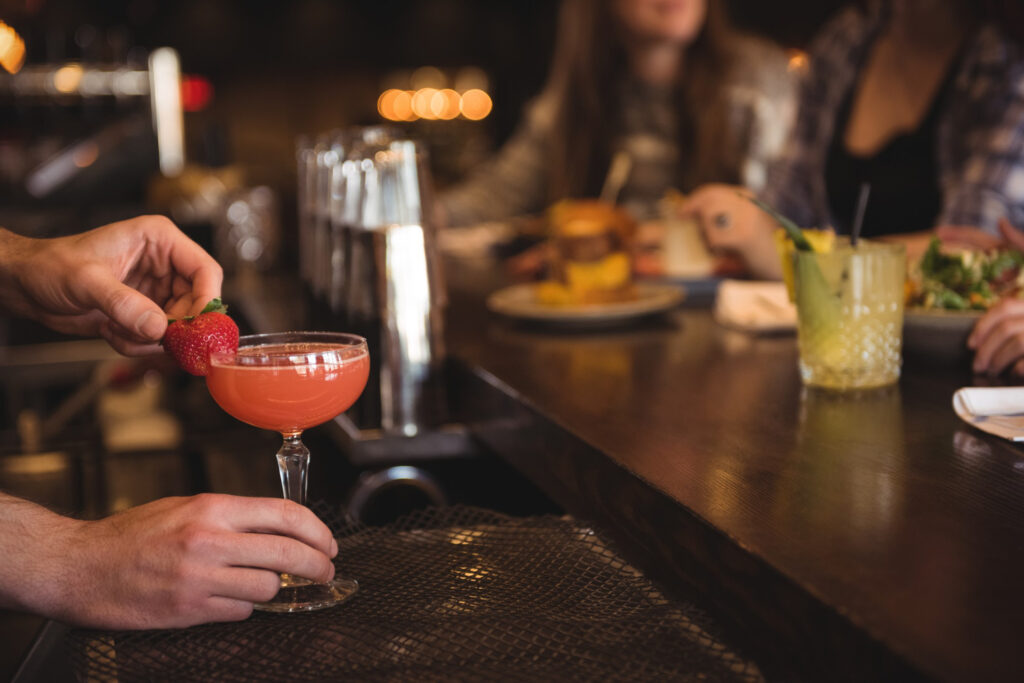
japanese bar sydney
 0
0
 0
0
The term “Japanese Cafe” today evokes images of artfully prepared matcha lattes, delicate desserts, and calming interiors that blend simplicity with elegance. But the story of Japanese cafe culture begins over a century ago, with the emergence of Tokyo’s kissaten.
Table of Contents
These traditional Japanese coffee houses, first opened in 1888, laid the foundation for what has now become a dynamic fusion of Eastern aesthetics and Western influences, evolving into modern, multifunctional spaces like Kahii—a standout example of a contemporary Japanese Cafe and Japanese bar in Sydney.
The Birth of the Kissaten: A Quiet Revolution in Tokyo
In the late 19th century, Japan was rapidly modernizing under the Meiji Restoration. Amid this shift, the kissaten—a hybrid of a coffee shop and tearoom—emerged as a refined space for intellectuals, artists, and salarymen to sip coffee, smoke a cigarette, and engage in quiet conversation. Unlike the Western coffeehouse that often buzzed with activity, the kissaten was contemplative, quiet, and deeply rooted in Japanese values of subtlety and mindfulness. Today, venues like a Japanese bar Sydney might draw inspiration from this legacy, blending tranquil aesthetics with modern dining and beverage culture.
The original kissaten offered hand-dripped coffee, simple yet hearty fare like sandwiches and curry rice, and interiors filled with warm wood tones and soft lighting. They emphasized craftsmanship and a peaceful atmosphere, making them ideal havens in Tokyo’s bustling cityscape.
Evolution Through Time: From Coffee to Cocktails
As Japan’s relationship with Western culture evolved, so did the concept of the Japanese Cafe. In the 1980s and 90s, Western-style cafes gained popularity, offering espresso drinks, elaborate pastries, and free Wi-Fi. Yet even with this Western shift, many cafes retained core kissaten values—hospitality, intentional design, and attention to detail.
More recently, a new wave of cafes like Kahii in Sydney has embraced a dual identity: cafe by day, Japanese bar by night. This model reflects not only changing consumer habits but also the desire for versatile, community-focused spaces. Patrons can start their day with a Kyoto-style pour-over and return in the evening for sake, Japanese whisky, or a yuzu-infused cocktail.
Kahii: A Modern Homage to Traditional Roots
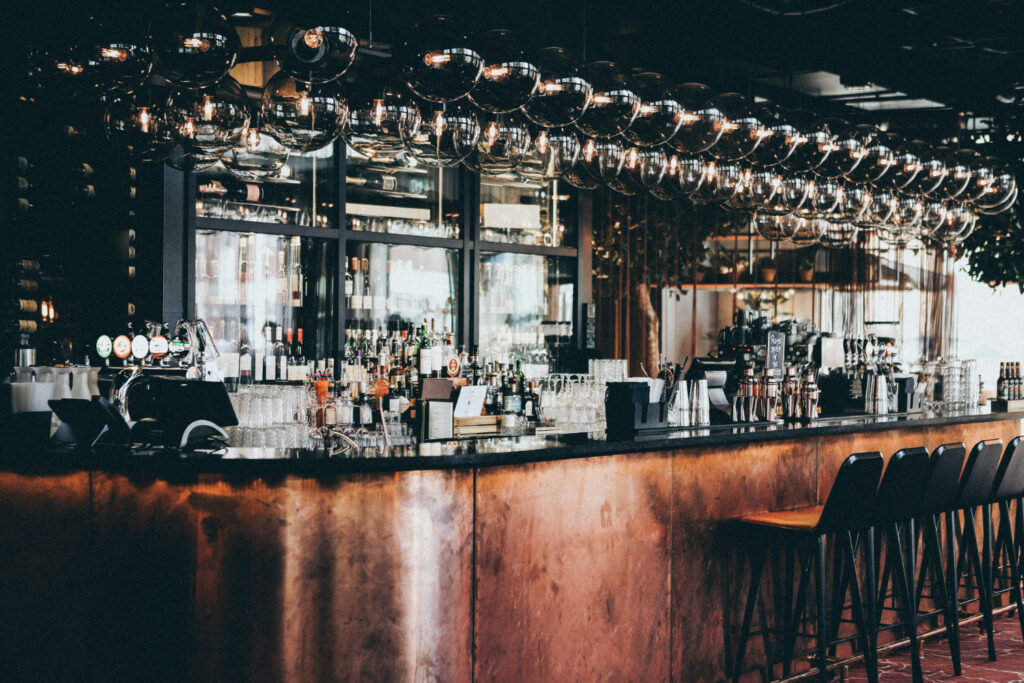
Located in the heart of Sydney, Kahii exemplifies the transformation of the traditional kissaten into a modern, sophisticated venue. During daylight hours, Kahii channels the serene, reflective spirit of the kissaten with specialty coffee brewed from carefully sourced beans, a minimalist menu featuring matcha lattes and house-made pastries, and a clean, zen-like interior.
As the sun sets, the space evolves into a Japanese bar Sydney locals adore. The lighting dims, ambient music sets the mood, and the menu shifts to include curated wines, Japanese cocktails, and small share plates with distinctly Japanese flavors. It’s this seamless transition that mirrors the adaptability of Japanese culture itself—always evolving, always balancing tradition with modernity.
Cultural and Design Influences
One of the most defining aspects of any Japanese Cafe is its design. Influenced by wabi-sabi (the art of imperfection and impermanence), Japanese cafes often employ natural materials, muted colors, and minimalist aesthetics. Kahii is no exception. Its interiors reflect these principles through wooden textures, soft lighting, and uncluttered spaces that encourage relaxation and connection.
Functionality meets artistry in every detail—from the ceramic cups used for coffee to the curated playlists that change with the time of day. The layout promotes flow and comfort, a nod to traditional Japanese architecture where every element has purpose and intention.
This design philosophy not only enhances the customer experience but also elevates the space from a simple cafe to a cultural encounter.
The Global Appeal of the Japanese Cafe
With the rise of global travel and cultural exchange, the Japanese Cafe has become a coveted experience worldwide. From Tokyo to New York, London to Sydney, the essence of the kissaten has inspired cafe owners and designers to prioritize calm, beauty, and balance in their spaces.
Kahii, as a Japanese bar Sydney residents and visitors love, captures this global appeal by offering authenticity without sacrificing modern comforts. It’s more than a place to grab a drink; it’s a cultural bridge that connects past and present, East and West.
FAQs About Japanese Cafes
What is a Japanese Cafe?
A Japanese Cafe is a space that blends Japanese aesthetics and hospitality with the traditional function of a cafe. Inspired by the kissaten, these cafes often serve specialty coffee, matcha drinks, and Japanese-style snacks in a peaceful, minimalist setting.
How is a Japanese Cafe different from a Western cafe?
Japanese Cafes prioritize ambiance, intentional design, and a slower pace. While Western cafes may focus on volume and quick service, Japanese cafes create a space for mindfulness and quiet enjoyment.
What can I expect at a Japanese Cafe like Kahii?
Expect high-quality coffee, beautifully presented drinks, and a tranquil environment during the day. In the evening, Kahii transforms into a Japanese bar Sydney residents appreciate for its craft cocktails and refined atmosphere.
What is a kissaten?
A kissaten is a traditional Japanese coffeehouse that originated in the late 1800s. It is known for its calm setting, hand-brewed coffee, and simple food offerings.
Why are Japanese Cafes becoming so popular globally?
People are increasingly drawn to spaces that offer more than just food or drink—they want experiences. The thoughtful design, cultural authenticity, quality food service, and peaceful ambiance of Japanese cafes meet that demand perfectly.
Final Thoughts
The evolution of the Japanese Cafe from Tokyo’s original kissaten to modern hybrids like Kahii tells a compelling story of cultural continuity and innovation. It’s a reminder that tradition and trend can coexist beautifully when rooted in purpose and executed with care. Whether you’re sipping a slow-brewed coffee in the morning or enjoying sake in the evening, venues like Kahii offer an experience that’s both timeless and refreshingly modern.
As we continue to seek meaningful connections in our daily lives, the Japanese Cafe offers more than just refreshments—it provides a place to pause, reflect, and savor both flavor and ambiance. In cities like Sydney, this tradition lives on, inviting a new generation to discover the harmony of heritage and modernity.


About The Author




More Stories
Eco-Friendly Weed Control in Red Deer: Safer Options for Families and Pets
Romantic Fine Dining in Banff: Where to Celebrate in the Canadian Rockies
5 Surprising Things Invisalign Can Fix That Most People Don’t Know